Introduction
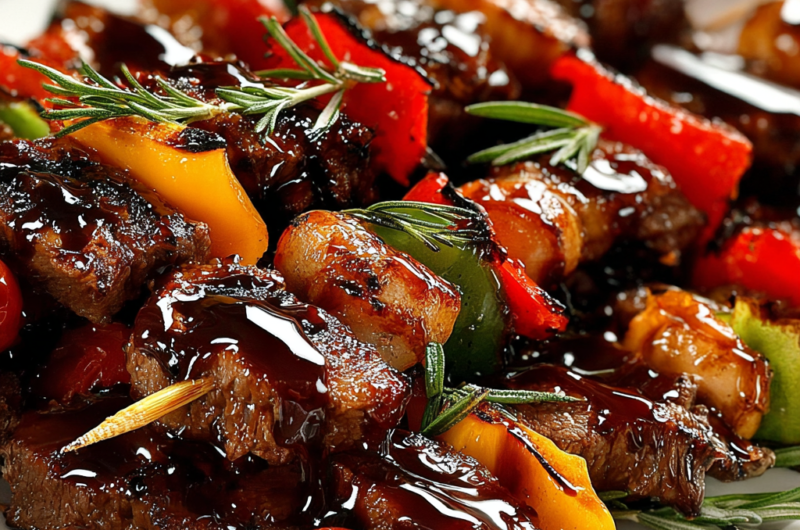
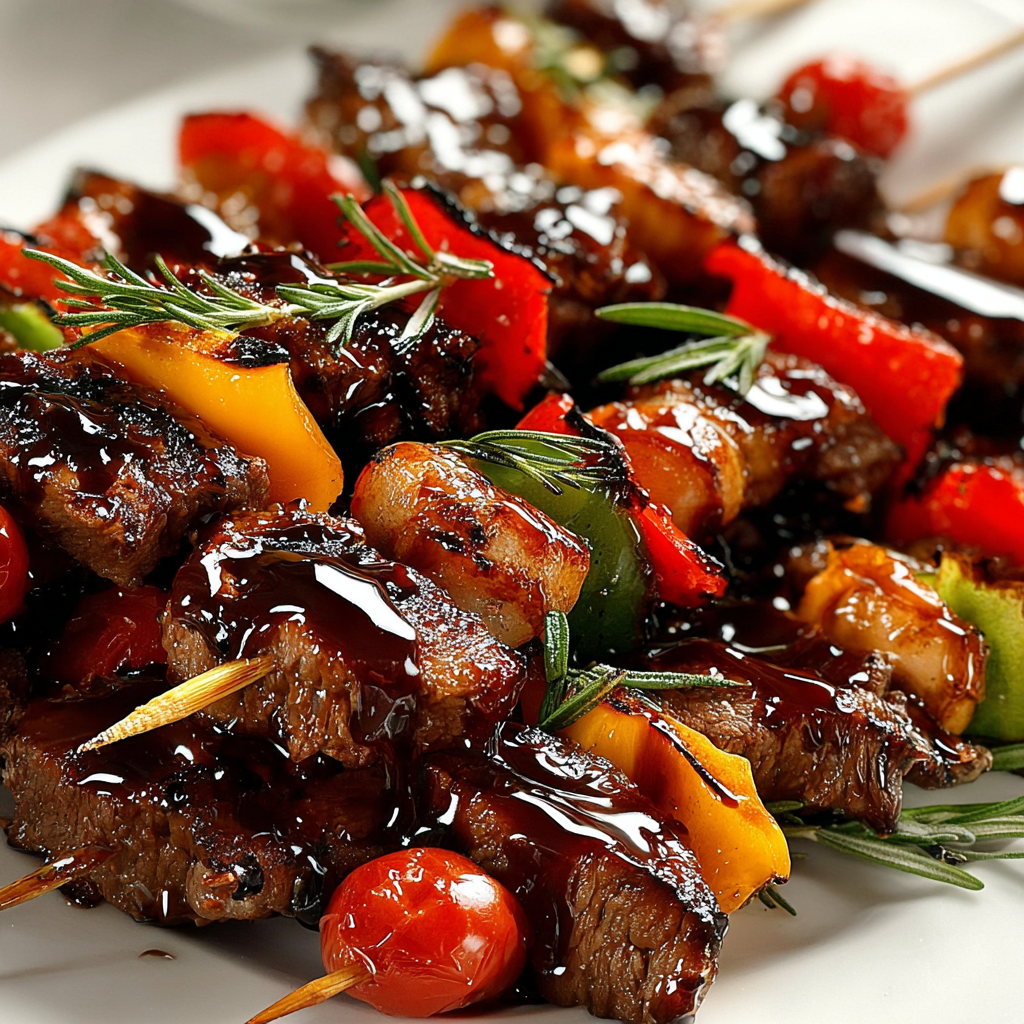
Grilling season is here, and there’s nothing quite as mouthwatering as skewers dripping with flavor. Balsamic glazed beef and chicken skewers bring together juicy pieces of meat with a tangy, sweet marinade, perfect for any gathering or weeknight dinner. The combination of tender meat and a rich glaze creates an inviting aroma that entices even the pickiest eaters.
This dish not only pleases the palate, but it's also versatile. You can customize your choice of vegetables, adjusting the flavor profile to suit your preferences. Whether you're hosting a summer BBQ or simply trying to elevate your weeknight dinner, these skewers are sure to impress. Get ready to fire up that grill and enjoy a culinary adventure!
Ingredients
- 1 lb beef sirloin, cut into cubes
Beef sirloin is ideal for skewers due to its tenderness and flavor. When marinated, it absorbs the balsamic glaze, resulting in juicy, flavorful bites. - 1 lb boneless, skinless chicken breast, cut into cubes
Chicken breast provides a lean protein option, balancing the richness of the beef. It cooks quickly, absorbing the marinade for maximum flavor. - 1 cup balsamic vinegar
Balsamic vinegar is the star of the show, adding acidity and sweetness. It helps tenderize the meat and creates a sticky glaze when reduced. - 1/4 cup honey
Honey contributes a natural sweetness that complements the tang of balsamic vinegar. It also helps create a beautiful caramelization on the skewers. - 2 tablespoons soy sauce
Soy sauce adds depth of flavor and umami to the marinade, enhancing the overall taste profile of the dish. - 2 cloves garlic, minced
Garlic infuses the marinade with aromatic and savory notes, elevating the flavor of both meats. - 1 teaspoon black pepper
Black pepper adds a subtle heat that pairs well with the sweetness of the glaze, balancing the flavor from the savory ingredients. - 1 teaspoon salt
Salt is essential for enhancing flavors and ensuring both meats are well-seasoned before cooking. - Vegetables for skewering (bell peppers, onions, zucchini)
Fresh vegetables not only add color and crunch but also absorb the delicious glaze, providing an extra layer of flavor and texture. - Skewers (wooden or metal)
Skewers hold everything together for grilling. Wooden skewers should be soaked in water to prevent burning, while metal skewers can withstand high heat without additional prep.
Directions & Preparation
Step 1: Prepare the marinade by whisking together balsamic vinegar, honey, soy sauce, garlic, salt, and black pepper in a bowl.
This initial step creates a flavorful marinade that will enhance the meats. By whisking the ingredients together, you ensure they are evenly distributed. Allowing the marinade to sit for a few minutes will help meld the flavors before adding the meats.
Step 2: Split the marinade into two bowls, reserving half for later as a glaze.
By reserving part of the marinade, you prevent cross-contamination and maintain a fresh sauce that enhances the dish during cooking. This glaze will be brushed on the skewers at the end for a shiny, flavorful finish.
Step 3: Add the beef cubes to one bowl and the chicken cubes to the other, making sure each piece is well-coated.
Coating the meat thoroughly allows each piece to absorb the marinade’s flavors. Marinating for at least 30 minutes (or up to several hours in the fridge) will maximize the tenderness and infuse the meats with delicious taste.
Step 4: While the meats marinate, soak the wooden skewers in water for 30 minutes to prevent them from burning.
Soaking wooden skewers is crucial when using them on the grill as it reduces the risk of them catching fire. Metal skewers, while not needing this prep, provide excellent heat conduction for even cooking.
Step 5: Preheat the grill to medium-high heat, about 400°F (200°C).
A properly preheated grill ensures that the skewers sear quickly, locking in juices and flavors while creating that desirable grill mark. Checking the temperature with an instant-read thermometer helps achieve perfect grilled meat.
Step 6: Thread the marinated beef and chicken onto the soaked skewers, alternating with pieces of vegetables.
Alternating meats with vegetable chunks not only adds color and texture but also promotes even cooking. This technique balances flavors, allowing the vegetables to soak up the marinade as they cook.
Step 7: Grill the skewers for approximately 10-15 minutes, turning occasionally, until the meats are cooked through.
Monitoring the cooking time is essential to avoid overcooking the meats, which can result in dryness. Keeping an eye on them and turning halfway helps achieve a nice char while ensuring safety.
Step 8: During the last few minutes of cooking, brush the reserved marinade over the skewers for a flavorful glaze.
Applying the reserved marinade at the end infuses the skewers with extra flavor and creates a glossy finish. Allowing it to cook briefly afterward helps to thicken and caramelize the glaze, enhancing the dish.
Step 9: Remove the skewers from the grill and let them rest for a few minutes before serving.
Resting the skewers allows the juices to redistribute throughout the meats, resulting in a juicier bite. This short wait also gives time for any residual glaze to set, enhancing the dish's presentation.
Step 10: Serve the skewers warm, drizzled with more balsamic glaze if desired, alongside your favorite sides.
Presenting your skewers with a drizzle of glaze adds an appealing touch and deepens the flavor experience. Pairing them with fresh salads or grilled vegetables creates a well-rounded meal.

Choosing the Right Cuts of Meat
When preparing Balsamic Glazed Beef and Chicken Skewers, selecting the right cuts of meat is key. For the beef, sirloin is excellent due to its balance of flavor and tenderness. With chicken, boneless, skinless breast ensures even cooking and a mild flavor that allows the marinade to shine. Consider marinating overnight for more intense flavor.
The Art of Skewering
Properly assembling your skewers can elevate the presentation and ensure even cooking. Aim to alternate pieces of meat with vegetables, as this not only enhances visual appeal but also promotes even heat distribution. Eye-catching combinations of color create attractive skewers that are sure to impress.
Serving Suggestions for a Perfect Meal
Complementing your balsamic glazed skewers with the right sides can take your dish to the next level. Consider serving them with fluffy rice, a crisp salad, or grilled corn on the cob. These combinations not only provide balance but also enhance the overall dining experience with various textures and flavors.
FAQs
What if the balsamic glaze is too thick?
If the glaze becomes too thick, you can thin it by adding a bit of water or additional balsamic vinegar, whisking until the desired consistency is achieved.
How can I adjust the flavor if it’s bland?
If your skewers taste bland, finish them with a sprinkle of salt or a squeeze of lemon juice before serving to enhance the flavors.
What should I do if my chicken is overcooked?
If your chicken turns out overcooked, consider slicing it thinly and serving it over a salad with a drizzle of extra balsamic glaze to introduce moisture.
How can I make this dish spicy?
To add some heat, incorporate red pepper flakes or a splash of hot sauce into the marinade. Adjust according to your spice preference.
Is it possible to use other meats or proteins?
Absolutely! You can substitute pork tenderloin or firm tofu for a vegetarian version. Just ensure to adjust marination time for different proteins.
Can I add more vegetables to the skewers?
Certainly! Feel free to experiment with other vegetables like mushrooms, cherry tomatoes, or squash, ensuring they can cook within the same time as the meats.
Conclusion
Balsamic glazed beef and chicken skewers are a delightful addition to your grilling repertoire, merging remarkable flavors with aesthetic appeal. With just a few simple ingredients, you can create a dish that showcases both culinary skill and creativity.
As you gather friends and family around the grill, these skewers promise to ignite taste buds and spark conversation. Enjoy the experience of cooking and savor every flavorful bite.
Recipe Card
Savor the Flavor of Balsamic Glazed Beef and Chicken Skewers
Ingredients
Method
- Prepare the marinade by whisking together balsamic vinegar, honey, soy sauce, garlic, salt, and black pepper in a bowl.
- Split the marinade into two bowls, reserving half for later as a glaze.
- Add the beef cubes to one bowl and the chicken cubes to the other, making sure each piece is well-coated.
- While the meats marinate, soak the wooden skewers in water for 30 minutes to prevent them from burning.
- Preheat the grill to medium-high heat, about 400°F (200°C).
- Thread the marinated beef and chicken onto the soaked skewers, alternating with pieces of vegetables.
- Grill the skewers for approximately 10-15 minutes, turning occasionally, until the meats are cooked through.
- During the last few minutes of cooking, brush the reserved marinade over the skewers for a flavorful glaze.
- Remove the skewers from the grill and let them rest for a few minutes before serving.
- Serve the skewers warm, drizzled with more balsamic glaze if desired, alongside your favorite sides.
Notes
Additional serving suggestions: pair with a crisp salad, garlic bread, or roasted seasonal vegetables for balance.
For make-ahead, prep components separately and assemble just before heating to preserve texture.
Taste and adjust with acid (lemon/vinegar) and salt right at the end to wake up flavors.